
RF MODULES / PRODUCT INFORMATION / 01
A building block, not a black box system.
New Ark RF amplifier modules bring a dedicated amplification stage into larger civilian equipment. For communications, laboratory equipment and industrial research, the useful starting point is the module’s role in your system—then its technology, physical format and the information needed for review.
01 / Highlights
Broadband design approach
Broadband amplification is a design approach, not a promise that one module suits every signal or piece of equipment. Begin with the purpose of the RF stage: how it relates to the surrounding communications equipment, laboratory setup or research assembly, and what your team needs to evaluate.
This keeps the product discussion focused on a complete module rather than a category label. Describe the host equipment and identify the questions that need product-specific clarification. A shared understanding of the application gives engineering and purchasing teams a more useful basis for reviewing a proposed configuration.
02 / Highlights
Device technology choices
GaN and LDMOS offer different semiconductor foundations for RF amplification. GaN means gallium nitride; LDMOS means laterally diffused metal-oxide-semiconductor. These familiar technology names help frame a discussion, but neither name alone establishes whether a finished amplifier module is appropriate for your equipment.
Compare the complete design in the context of your project priorities. The intended civilian use, existing equipment architecture and physical packaging belong in that comparison. If a technology preference is part of your initial brief, explain the reason for it so the review can distinguish a firm requirement from an option.
03 / Highlights
Integration-led packaging
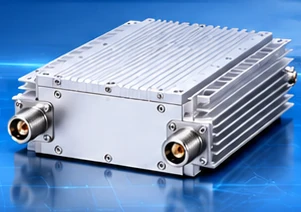
The module format places the amplification stage in a defined physical assembly. Enclosure proportions, connection access and the surrounding mechanical arrangement are practical discussion points, not cosmetic details. Consider them together when describing where the amplifier belongs within the larger equipment, rather than assessing its enclosure in isolation.
Product photographs can make those conversations more concrete by showing enclosure forms and connection layouts. Use the imagery to explain which physical features you want to discuss, then request information for the proposed assembly. The module’s boundaries and the host equipment’s responsibilities still need to be understood separately.
04 / Highlights
A clear customization path
Project-based customization starts with a clear description of your equipment and the RF module’s purpose. Bring mechanical fit, interface expectations and documentation needs into the same conversation. This helps connect the engineering review with the purchasing team’s need to understand what is included in the proposed project.
Agree which questions require clarification and which records your team needs before proceeding. Module-specific enclosure, interface and support arrangements belong in the written project scope. That scope should distinguish confirmed arrangements from open discussion points, giving both teams a common reference as the product conversation develops.
06 / COMMON QUESTIONS
Questions about this topic
Are these powered or passive amplifier modules?
They are powered, active amplifier modules. An RF power amplifier uses an external electrical supply to increase RF signal power. Its enclosure or the absence of additional control features does not make it passive.
Does a product photograph confirm a particular model?
No. Photographs illustrate physical module formats; they do not establish a model’s specifications or confirmed inventory. Ask for documentation identifying the particular assembly being discussed rather than treating a pictured enclosure as a complete product definition.
What documentation should we discuss during review?
Identify the module information, mechanical and interface clarification, review records and support details your team needs. Confirm the agreed documentation in the written scope rather than assuming every project includes the same materials.
Who can help with the next conversation?
Contact sales on WhatsApp at +8619928199130 for product-family and commercial enquiries, technical support at +8618123677761 for module information and documentation, or the custom project team at +85295658748 for mechanical fit, interfaces and project scope.