Chief acoustic scientist industry experience
01 / PERIMETER-FIRST SENSING
Acoustics Guard Low Altitude,
Security Controlled Locally.
NEW ARKARC / PERIMETERSAFE-OFFSET ENGINEERING SEAL01
Designed for low-altitude security projects across oil & gas, chemical, energy, and other high-hazard facilities, New Ark uses acoustic sensing as the core of a project-level information path for multi-sensor fusion and C2 integration—planned from safe offsets, external perimeters, and approved installation points.
NEW ARKARC / PERIMETERBOUNDARY-DEPLOYMENT METHODAcoustic-based detection · multi-sensor fusion · a governed information path from detection, identification and tracking context to authorised review. Local assembly, maintenance, and spares arrangements remain subject to written scope and local requirements.
Microphone-array UAV detectionFibre-optic UAV sensingMulti-sensor fusion
REF03ARRAY NODE
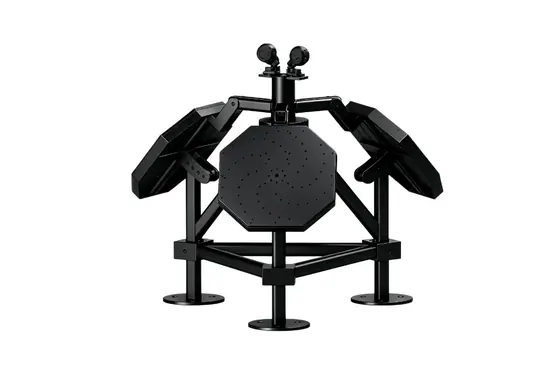
External perimeter installation reference
SCROLL TO REVIEW
INDUSTRIAL RISK REFERENCEMultirotor: close, low-altitude approach riskFlexible low-altitude flight can approach process areas, tank farms, or operating boundaries; project teams should assess risk through external safety offsets, site rules, and multi-source corroboration.INDUSTRIAL RISK REFERENCEFibre-optic: RF features may be limitedSuch scenarios may reduce conventional RF signal inputs; passive acoustic, EO/IR, and other information should be cross-checked rather than relying on a single sensing source.INDUSTRIAL RISK REFERENCEFixed-wing: approach speed and perimeter spanPerimeter planning for larger sites should consider approach speed and changing direction; assessment remains subject to site environment, airspace rules, and written project process.
ACOUSTIC TECHNICAL TEAM / PEOPLE & ENGINEERING
40 years of acoustic depth · 20 years of engineering delivery experience
Building passive acoustic perimeter-security systems for high-hazard industrial environments.
Acoustic R&D engineering team experience
Research, prototype & engineering collaboration
Team credentials are company information provided by New Ark. Product configuration, site fit, validation scope, and project outcomes remain subject to field conditions, engineering review, compliance requirements, and written project documents.
02
SITE SAFETY PRINCIPLE / 02
Define the safe perimeter before defining the sensing point.
This page helps project teams identify common settings where radar or other transmitting equipment should not be placed within a core hazardous zone. Final siting must be checked against area classification, equipment certification, site design, and applicable local regulations.
DEPLOYMENT PATH / 03
Organize the deployment around the external safe offset.
Every facility has a different process boundary, access corridor, and non-hazardous area. Define sensing positions, cable routes, and site interfaces from the outside in; no single device replaces engineering judgment.
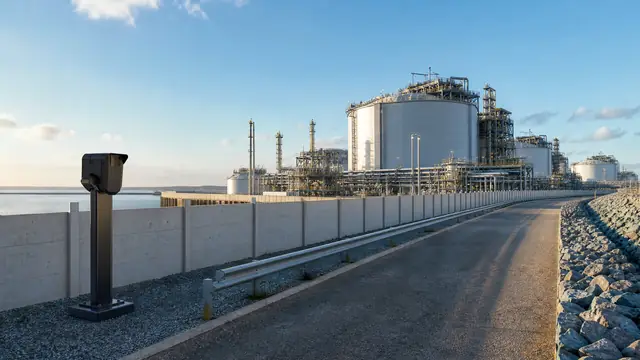
01SAFE
02BUFFER
SITE STUDY / EXTERNAL-TO-INTERNAL
01
Review hazardous boundaries
Identify process areas, tank farms, loading operations, and the adjacent safe offset available for installation.
02
Define external sensing points
Prioritize sites beyond the perimeter, along external roads, on non-hazardous facades, or at assessed safe mounting points.
03
Coordinate the site plan
Review power, connectivity, maintenance access, and operating procedures alongside the wider site layout.
RISK BRIEFING / 03A
NEW ARKARC / PERIMETERRISK CONTEXT
One event can change a facility perimeter’s risk posture in seconds.
This is a disclosed industrial-risk reference. It underlines why external safety boundaries, continuous awareness, and site coordination should be defined before an event occurs. The video contains explosion imagery and autoplays muted only while visible, then loops.
RISK CONTEXT / SITE BOUNDARY REVIEW
RESTRICTED SITING / 04
Typical sites where radar should not be placed inside the core hazard zone
Use this list for an initial siting screen. It flags core hazard and operations areas; it does not replace formal hazardous-area classification, fire-safety review, or qualified engineering confirmation.
01
08Oil & Gas
- Refineries (process units and tank farms)
- Petroleum reserve / strategic oil depots (tank farms)
- LNG terminals / liquefaction plants (tank and process areas)
- LPG storage and distribution stations
- Natural-gas gate stations / pressure-regulating stations (process areas)
- CNG / LNG fueling stations
- Oil and gas pipeline hub stations
- Offshore oil and gas platforms
02
05Chemical & Coal Chemical
- Petrochemical plants (ethylene / aromatics units)
- Coal chemical parks (coal-to-liquids / coal-to-gas)
- Coking plants
- Fertilizer plants (ammonia synthesis units)
- Chlor-alkali plants
03
03Power & Energy (selected)
- Gas / oil-fired power plants (fuel-storage and gas-regulating areas)
- Lithium battery energy-storage stations (battery containers and immediately adjacent areas)
- Integrated hydrogen production, storage, and refueling stations
04
04Other High-Hazard Sites
- Coal mines / methane-drainage stations (underground and wellhead methane areas)
- Grain silos (dust-explosion areas)
- Port oil terminals / chemical terminals (loading and unloading areas)
- Fireworks warehouses
MULTI-SENSOR SOLUTION / 05
From the safe perimeter: AI acoustic sensing, microphone-array UAV detection & multi-sensor fusion.
A microphone-array network forms the passive sensing foundation, with RF, EO/IR, command-and-control, and authorised response modules considered where compliant. The architecture starts from the external safe perimeter—not from the core hazardous zone.
OUTER PERIMETERSAFETY BUFFERCORE ZONE
ARC / PERIMETER · ARRAY NETWORK VIDEOMicrophone-array detection network
Distributed passive acoustic nodes establish the perimeter-awareness foundation and maintain an input for discovery and location assessment in complex environments.
Multi-sensor corroboration
Where site permissions and system design allow, RF and EO/IR inputs may be fused with the acoustic layer for event-led cross confirmation.
Command, control & authorised response
Bring sensing outputs into the site command-and-control process; all response modules remain subject to project authority, safety boundaries, and applicable regulation.
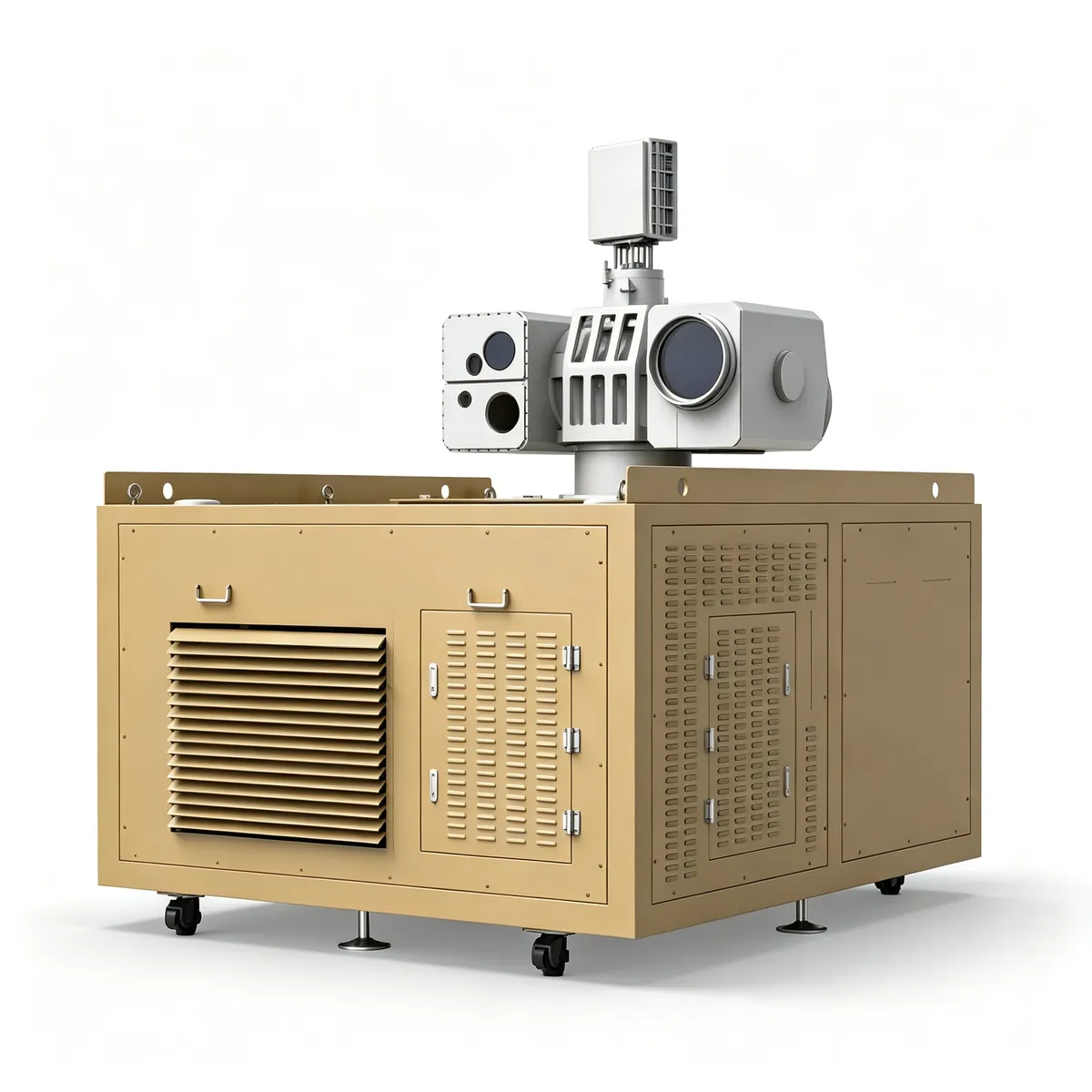
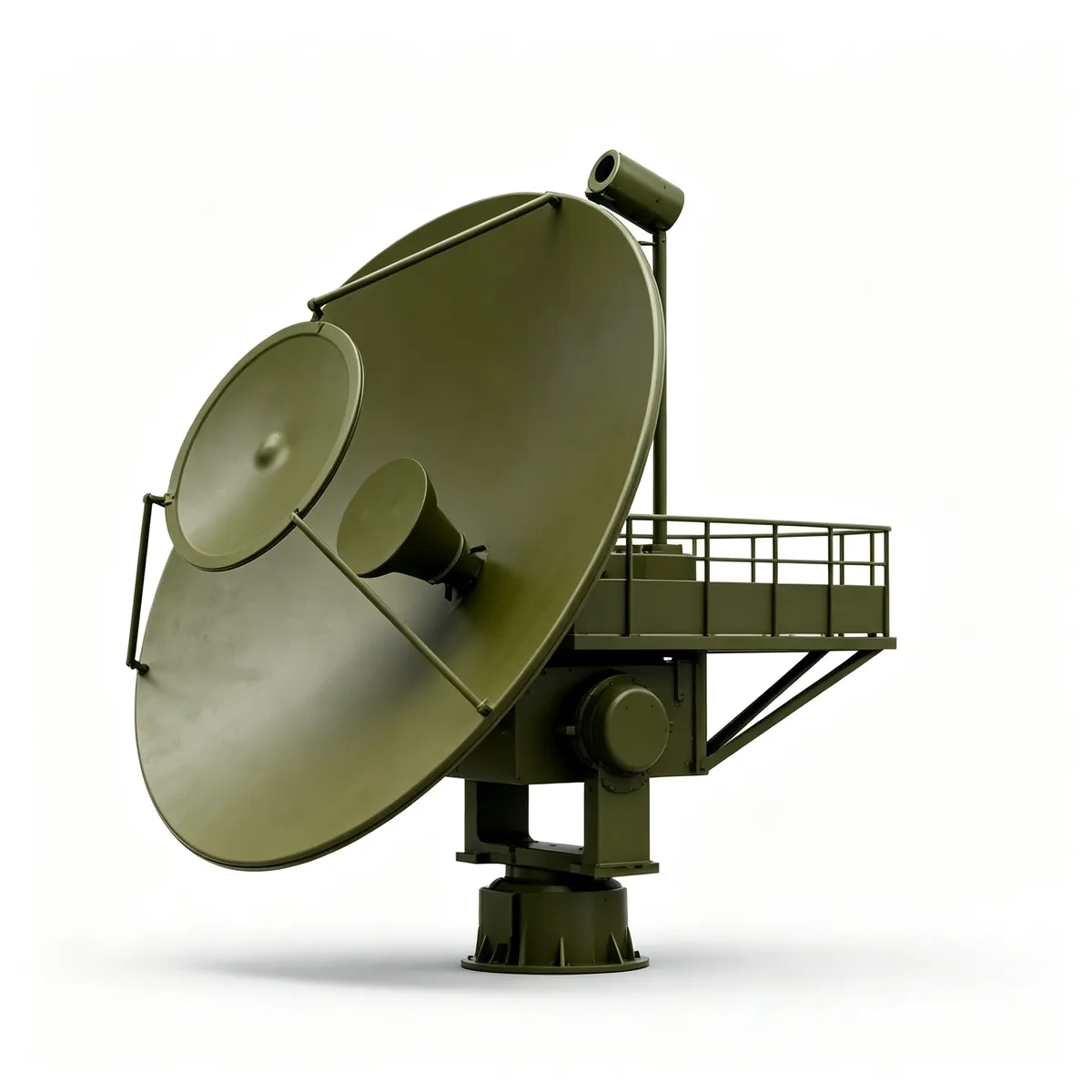
AUTHORISED RESPONSE REFERENCE
Multi-platform precision-response configurations for fibre-optic drone scenarios
For sites with the necessary permits, completed protection design, and suitable safety conditions, a system-level assessment may consider laser and microwave response modules. Microwave configurations may be referenced at 500 m / 1 km class for project assessment; final platform selection, siting, operating authority, and conditions of use must be confirmed by qualified project teams under applicable local regulation.
01Laser response reference2 km / 3 km02Microwave response reference500 m / 1 km
01Fixed platform02Vehicle-mounted platform
LOW-ALTITUDE SENSING / 05A
20–150 mLOW-ALTITUDE PROJECT REFERENCE
A project-level sensing reference for 20–150 m low-altitude conditions.
For project conditions involving low-altitude terrain, occlusion, ground reflections, and limited RF observability, New Ark treats passive acoustic and fibre-linked-context information as complementary inputs, with EO/IR and authorised RF reception in a multi-source corroboration path. Actual observability, environmental fit, and system outcomes remain subject to site conditions and written validation.
Passive acoustic information
A project-level sensing input that does not depend on active electromagnetic transmission, with siting discussed in external safe offsets.
Limited-RF-observability contexts
A conditional assessment path for autonomous flight, fibre-linked platforms, or other contexts with limited RF inputs—not a single-sensor conclusion.
Multi-source corroboration
Passive acoustics, EO/IR, and authorised RF reception act as complementary information sources for accountable project review.
THREE CORE ADVANTAGES / 05A-1
Three core advantages: organize the low-altitude security information line.
No single sensor or reading replaces engineering judgment. Within reviewed safe offsets and authorised boundaries, acoustic, perimeter fibre-context, EO/IR, and RF inputs can form a project-level corroboration path.
01
Acoustic-array sensing
A microphone array receives environmental sound as a passive information input rather than using active electromagnetic transmission. Applicability, certification, and mounting positions for high-hazard sites remain for the project team and qualified engineers to confirm.
- 500 m–5 km is a project-reference discussion band; actual observability requires site conditions and written validation.
- A multi-node array can be reviewed as a 360° perimeter-awareness project reference.
- Environmental noise, array processing, and corroboration paths belong in the site study.
02
Fibre-linked low-RF-observability contexts
For autonomous flight, fibre-linked platforms, or other contexts with limited RF inputs, perimeter fibre-vibration information may be considered as a complementary input; it is not a standalone conclusion or a substitute for site corroboration.
- May be assessed for long perimeters, fence lines, and pipeline-route project contexts.
- Cross-corroborate with passive acoustic, EO/IR, and other authorised sources.
- Site structure, environmental noise, construction conditions, and fibre state require written assessment.
03
Multi-sensor corroboration
Treat passive acoustic, EO/IR, and authorised RF reception as complementary information sources, with association and confirmation organized through accountable human review, access controls, and written project processes.
- Multi-source association and event review belong to the project integration scope.
- EO/IR and thermal confirmation conditions require site-visibility and design validation.
- Standardized data interfaces and C2 integration can be discussed within a written scope.
ARC / PCBA · INTEGRATION REFERENCE
Complete system, core PCBA & local-assembly reference
System integrators may discuss complete systems, microphone-array algorithm PCBA core boards, and a local-assembly path within a written project scope—helping define deployment, maintenance, spare-parts, and delivery coordination. Interfaces, environmental fit, certification, data permissions, and local requirements remain subject to mutually confirmed technical documents.SAFE-PERIMETER AUTHORISATION / 05B
ARCPRECISION MITIGATION FUSION C-UAS · AUTHORISED RF PROJECT REFERENCEREVIEW → VERIFY
Precision Mitigation Fusion C‑UAS
Triggered Analytic RF System.
For critical-infrastructure projects that have completed site authorisation, spectrum licensing, and safety review, this system reference uses triggered analytic RF assessment to support project evaluation of remote-control and video-link UAV scenarios, including discussion of a 360° omnidirectional perimeter-coverage reference in the project design. Handheld-to-fixed-station configurations and an approximately 1–10 km perimeter scale are project references only; capabilities, installation points, and safeguards must be confirmed through spectrum review, aviation protection, and on-site validation.
Project perimeter-scale reference
Omnidirectional perimeter-coverage reference
Configured by site and authority conditions
Triggered signal-assessment reference
CONCEPT VISUALAUTHORISATION
→ VALIDATIONNOT OPERATIONAL EVIDENCE
→ VALIDATIONNOT OPERATIONAL EVIDENCE
PUBLIC INDUSTRY NEWS SOURCE / YOUTUBE · MINT
Airport drone incident: public news reference
This external news video concerns a reported drone incident near Amritsar Airport, airspace management, and flight diversions. It is a reference for planning sensing, alert coordination, and human-authorised review before an airport-perimeter event—not a claim of site capability, response method, or operational outcome.
View original sourceLearn more: read the airport perimeter updateAviation, transport & water
Airports, ocean-going cargo ports, container terminals, major hydropower stations, dams, and inland water-control hubs.
Energy, chemical & mining
Inland oilfields, refineries, oil and gas storage depots, LNG chemical parks, large open-pit mines, and rare-mineral mining areas.
High-security & government sites
Prisons, high-security detention centers, key closed government compounds, and approved confidential facilities.
Authorised border & temporary missions
Border-control units, outposts, checkpoints, defence facilities, temporary vehicle deployments, large field events, and controlled exercise sites.
AUTHORISATION & COMPLIANCE CONDITION
Civil aviation safety, public communications, site operations, and approved spectrum users must be protected. This public page makes no non-interference outcome claim; any controlled-response-related configuration is subject to authority requirements, spectrum coordination, electromagnetic-compatibility assessment, qualified personnel, and written project validation.
SAFE-PERIMETER PROJECT FILES / 05A
Download safe-perimeter product and C-UAS project files.
Access the latest New Ark Acoustic Detection Array & Counter-UAS Solution deck together with the C-UAS Integrated Defense Solution for reference on array detection, layered perimeters, EO/IR collaboration, system integration, and authorised project validation.
NEW ARKARC / PERIMETER · PRODUCT FILE
NEWARKPPTX
ACOUSTIC ARRAY / COUNTER-UAS
Download product deckNew Ark Acoustic Detection Array & Counter-UAS Solution Deck
PPTX · 18 slides · 8.5 MB · Latest product-solution file
NEW ARKARC / PERIMETER · SOLUTION FILE
C-UASARCPPTX
INTEGRATED DEFENSE SOLUTION
Download solution deckC-UAS Integrated Defense Solution Deck
PPTX · 5.4 MB · Integrated-defense briefing
NEW ARKSV-A · AIRSPACE SECURITY FILE
SV-ARFPPTX
ANALYTIC RF / AIRSPACE SECURITY
Download SV‑A PPTXSV‑A Analytic RF Airspace Security Anti‑Drone System
PPTX · 24 slides · Public project reference
05 / PASSIVE NODE
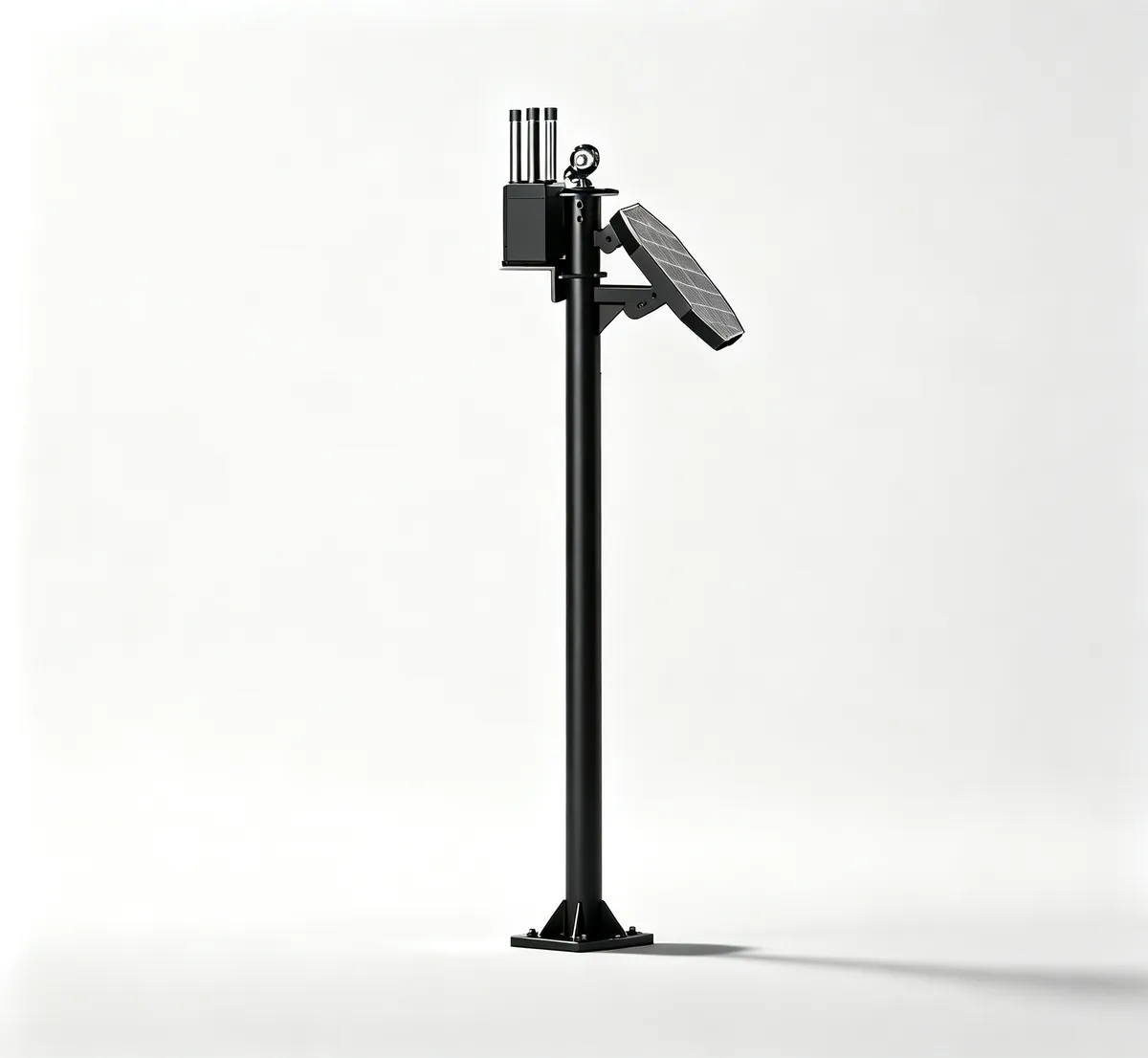
X 124.08
Y 38.61
SAFE OFFSET
Y 38.61
SAFE OFFSET
PCBA DELIVERY / 06
From acoustic core to branded system integration.
A PCBA delivery approach for partners who wish to incorporate acoustic-detection capability into their own product, sensing node, or command-and-control offer. Interfaces, environmental suitability, certification, and production requirements should be specified at project initiation.
Multi‑rotor≥ 500 mFixed‑wing≥ 5 km3 arrays360°Single array · concurrent16+ targets3 arrays · concurrent48+ targetsEO/IR2 units · 2 targetsThermal / range≤ 2.5 km
Core PCBA module
Discuss a modular delivery around array acquisition, acoustic processing, and the system interfaces required by the project.
Interface & integration support
Enable project teams to define product enclosure, power, communications, and software-platform integration requirements.
Delivery & validation coordination
Coordinate prototype validation, site commissioning, and the delivery cadence for product engineering work.
PARTNER DELIVERY PATH / 06A
Why choose New Ark
For partners that need integration, regional service, and a maintainable path for long-term evolution, New Ark frames a project collaboration path that can be documented and reviewed. Interfaces, interoperability, delivery timing, and support scope remain subject to project validation and mutually confirmed documents.
01
Local assembly & regional manufacturing support
Discuss local production, assembly, and after-sales deployment arrangements according to the customer region, written project scope, and local requirements—coordinating delivery, maintenance, and spares planning.
02
Open architecture with standardized SDK / API
Use project-defined standardized data interfaces, SDKs, and APIs to support data association and secondary-development discussions with third-party software, sensors, and command platforms.
03
Multi-system integration reference
Discuss data collaboration with common radar, authorised RF reception, EO/IR, and C2 systems within a written scope. Actual interoperability remains subject to test and validation.
04
Flexible OEM & ODM collaboration
Discuss individual requirements for hardware structure, software functions, appearance standards, and system solutions within a written project scope, helping align a differentiated project delivery.
05
Rapid deployment & professional technical support
For approved site conditions, plan deployment, system commissioning, technical training, and after-sales support. Site timing, available resources, and service scope remain project-confirmed.
CORE PARTNER CAPABILITIES / 06B
From the acoustic core to verifiable project delivery.
This section translates the supplied capability material into a partner-evaluation scope: multi-source information integration, reviewed multi-node collaboration, local PCBA delivery, and partner-led commercial implementation. It does not claim a verified ranking, coverage, performance, capacity, or deployment result; all project conclusions remain subject to authority, engineering review, and written validation.
NEW ARK / ARC-PERIMETER06B
CAPABILITY RECORD
CAPABILITY RECORD
Define interfaces, accountability, and validation before discussing design, procurement, or deployment.
01
Multi-source information integration
Within a written scope, discuss interfaces and corroboration across acoustic, EO/IR, authorised RF, and C2 information. Interoperability, data governance, and site fit remain subject to test and written validation.
02
Multi-node collaboration reference
Use the relationship between multi-node acoustic arrays and perimeter information as an architecture reference, extending from single-node sensing toward regional review. Specific nodes, locations, and results require project design confirmation.
03
Local PCBA delivery path
Discuss core PCBA, local assembly, spares, and supply coordination against regional needs, quality documentation, and a written scope; no general capacity, quality, or delivery-time guarantee is made.
04
Partner-led commercial implementation
Use OEM/ODM options, interface documentation, prototype validation, and technical support to organize differentiated delivery; commercial arrangements and acceptance criteria remain in mutually confirmed documentation.
EQUIPMENT REFERENCE / 07
Reference equipment forms for different perimeter conditions
The supplied product visuals illustrate equipment forms that can be evaluated for varied external mounting conditions. They are not a final installation recommendation for any named site.
01
ARC / PERIMETER · REF 01SAFE OFFSET / INTERFACE REVIEWExternal perimeter / assessed point
Arrayed external node
For reviewed perimeter structures and external safe mounting points.
02
ARC / PERIMETER · REF 02SAFE OFFSET / INTERFACE REVIEWFence line / safe offset
Integrated mast reference
For siting discussions around external access corridors, fence lines, and other safe offsets.
03
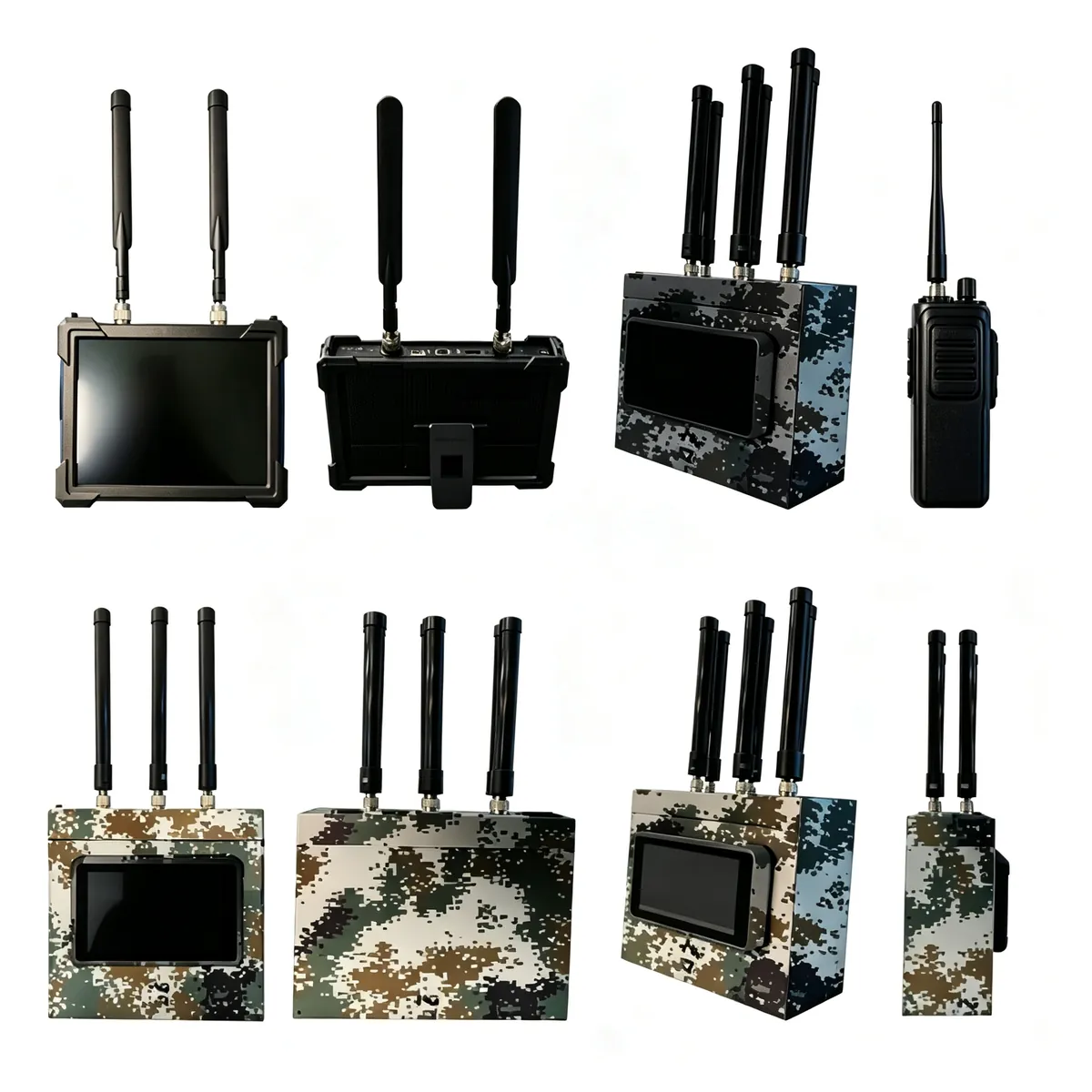 ARC / PERIMETER · REF 03SAFE OFFSET / INTERFACE REVIEW
Engineering interface / commissioning
Interface & portable units
A visual reference for integration discussions, field demonstrations, and implementation planning.
04
ARC / PERIMETER · REF 04SAFE OFFSET / INTERFACE REVIEWAuthorised site / fixed or vehicle-mounted
Controlled response platform
A form reference for fixed or vehicle-mounted system configurations, subject to authorisation and compliance review.
ARC-PERIMETER FAQ / 07A
Frequently asked questions on safe offsets, passive acoustics, and project validation.
These answers explain the public ARC-PERIMETER project reference. Final siting, interfaces, equipment fit, and compliance conditions remain subject to qualified project teams and actual site conditions.
NEW ARK / ARC-PERIMETERFAQ
RECORDSAFE OFFSET / QUESTION RECORD
RECORDSAFE OFFSET / QUESTION RECORD
THIS WEEK / INDUSTRY OBSERVATIONS
Industry context for low-altitude security and critical-infrastructure projects.
INDUSTRY OBSERVATIONS · PROJECT REFERENCE
A concise reading collection spanning source-qualified global developments, industrial and energy resilience, and project perspectives on acoustic, analytic RF, and multi-sensor coordination. It is designed to support more informed early-stage discussions.
Filter observations
112 matching observations
SOURCE-QUALIFIED INDUSTRY RECORD87
Europe Weighs Drone-Response Roles for Critical Infrastructure: Policy Context, Not Site Authority
A source-qualified Reuters policy record on European discussion of critical-infrastructure operator roles around drones, with authority, liability and site-specific boundaries retained.
SOURCE-QUALIFIED INDUSTRY RECORD88
Silynxcom Announces Wearable Acoustic Drone-Warning Development: A Prototype-Stage Signal
A source-qualified company-announcement record on Silynxcom's stated prototype-stage wearable acoustic drone-warning platform, separated from validation, availability and fixed-site conclusions.
SOURCE-QUALIFIED INDUSTRY RECORD89
NATO Black Sea Surveillance Reinforcement: Maritime Context, Not a Commercial C-UAS Conclusion
A source-qualified Reuters record of NATO's announced Black Sea surveillance reinforcement, preserving attribution, maritime-service and commercial-project boundaries.
SOURCE-QUALIFIED INDUSTRY RECORD83
Claims Concerning Saudi Energy Sites and Airports: Attribution Is Not a Protection Requirement
A source-qualified review of attributed claims concerning Saudi energy sites and airports, separated from verification, protection requirements and C-UAS conclusions.
SOURCE-QUALIFIED INDUSTRY RECORD84
Abyei Market Strike Reporting: Reported Harm and Attribution Need Independent Evidence
A source-qualified review of reported harm and attribution in an Abyei market-strike account, separated from independent findings and C-UAS conclusions.
SOURCE-QUALIFIED INDUSTRY RECORD85
Lithuania Raises Critical-Infrastructure Preparedness: Announcement Is Not a C-UAS Deployment Plan
A source-qualified review of Lithuania's critical-infrastructure preparedness announcement, separated from a C-UAS deployment, procurement or performance conclusion.
CONTACT / 08
Begin the project conversation from the safe perimeter.
Contact Hong Kong New Ark Intelligent Technology Limited to discuss industrial perimeter deployment, PCBA module integration, and project-specific system solutions. Final siting, equipment suitability, and compliance must be confirmed by qualified project personnel.
Request demonstration & field validation NEW ARKACOUSTIC DETECTION
DIRECT
Emailinfo@newark-security.comTelephone+852 9565 8748Custom project / WhatsApp+85295658748Sales enquiry / WhatsApp+86 199 2819 9130Technical support / WhatsApp+8618123677761
Office
Unit 903, 9/F., Cameron CommCentre,
458–468 Hennessy Road,
Causeway Bay, Hong Kong