
RF MODULES / PRODUCT INFORMATION / 06
RF Amplifier Module FAQ
Start here if you are reviewing RF amplifier modules for civilian communications, laboratory equipment or industrial research. These answers explain the category and help you identify what needs a project-specific discussion.
01 / FAQ
Read the category before choosing an assembly
The overview introduces module-level amplification, not a selection guide for a finished system. Treat its technology descriptions and physical formats as a way to frame questions about your equipment, rather than as evidence that a particular assembly fits your project.
A useful review separates the module's role from the responsibilities of the surrounding equipment. Describe where amplification belongs in your product or laboratory setup so that engineering and purchasing colleagues can discuss the same component boundary.
02 / FAQ
Prepare a brief that both teams can use
Begin with the civilian purpose of the equipment and the question your team needs to resolve. Mechanical space, connection access and the surrounding assembly give the conversation context without requiring an immediate commitment to one enclosure format or technology path.
Distinguish essential requirements from preferences and unresolved questions. This makes it easier to identify what needs clarification before a configuration is agreed, while keeping early enquiries focused on your actual equipment rather than assumptions drawn from a photograph.
03 / FAQ
Ask for documentation tied to the discussion
Identify the module information and review records your engineering and purchasing teams need. Requests should relate to the assembly under discussion: enclosure details, interface descriptions and the agreed support scope are more useful than a general description of the product category.
Keep confirmed information separate from open questions in your internal review. Where a document or support arrangement matters to a purchasing decision, ask for it to be addressed in the written project scope rather than inferred from the website.
04 / FAQ
Turn a conversation into a clear scope
Use the initial discussion to identify the next review and who needs to participate. A mechanical question, a documentation request and a commercial enquiry may involve different colleagues; keeping those topics distinct helps each team respond to the relevant issue.
The written scope should capture the agreed enclosure, interface and support arrangements. Read it alongside your project brief before making a decision, and resolve any differences explicitly so that engineering expectations and purchasing records refer to the same proposed assembly.
06 / COMMON QUESTIONS
Questions about this topic
Is a module a complete RF instrument?
No. This category covers an amplification stage for larger equipment. A metal enclosure does not make it a complete laboratory instrument or communications system.
Are these amplifiers passive?
No. Powered RF amplification is active: the amplifier uses an external electrical supply. Its enclosure or lack of additional control features does not change that terminology.
What do GaN and LDMOS mean?
GaN means gallium nitride; LDMOS means laterally diffused metal-oxide-semiconductor. They describe transistor technologies, not a universal ranking of finished amplifier modules.
Does broadband mean suitable for every RF application?
No. Broadband describes a design approach within a module's intended operating range. Suitability still requires review of the complete module and intended equipment.
Can I select a product from the family photograph?
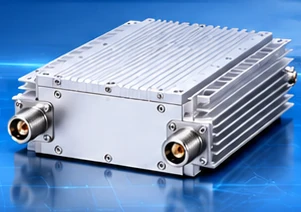
Use the photograph to discuss enclosure formats and connection layouts. It is not confirmation of individual model specifications or a substitute for an assembly-specific review.
Will any enclosure format fit my equipment?
Do not assume so. Mechanical fit and interface access depend on the host assembly and need to be considered for the particular configuration under discussion.
What can a customization enquiry cover?
Discuss enclosure fit, interface arrangements, technology options and documentation needs. The enquiry establishes questions for review; agreed configuration and support belong in the written scope.
Who should I contact with a remaining question?
Contact sales at +8619928199130 for product-family and commercial enquiries, technical support at +8618123677761 for module documentation and clarification, or custom projects at +85295658748 for project-specific scope discussions.